
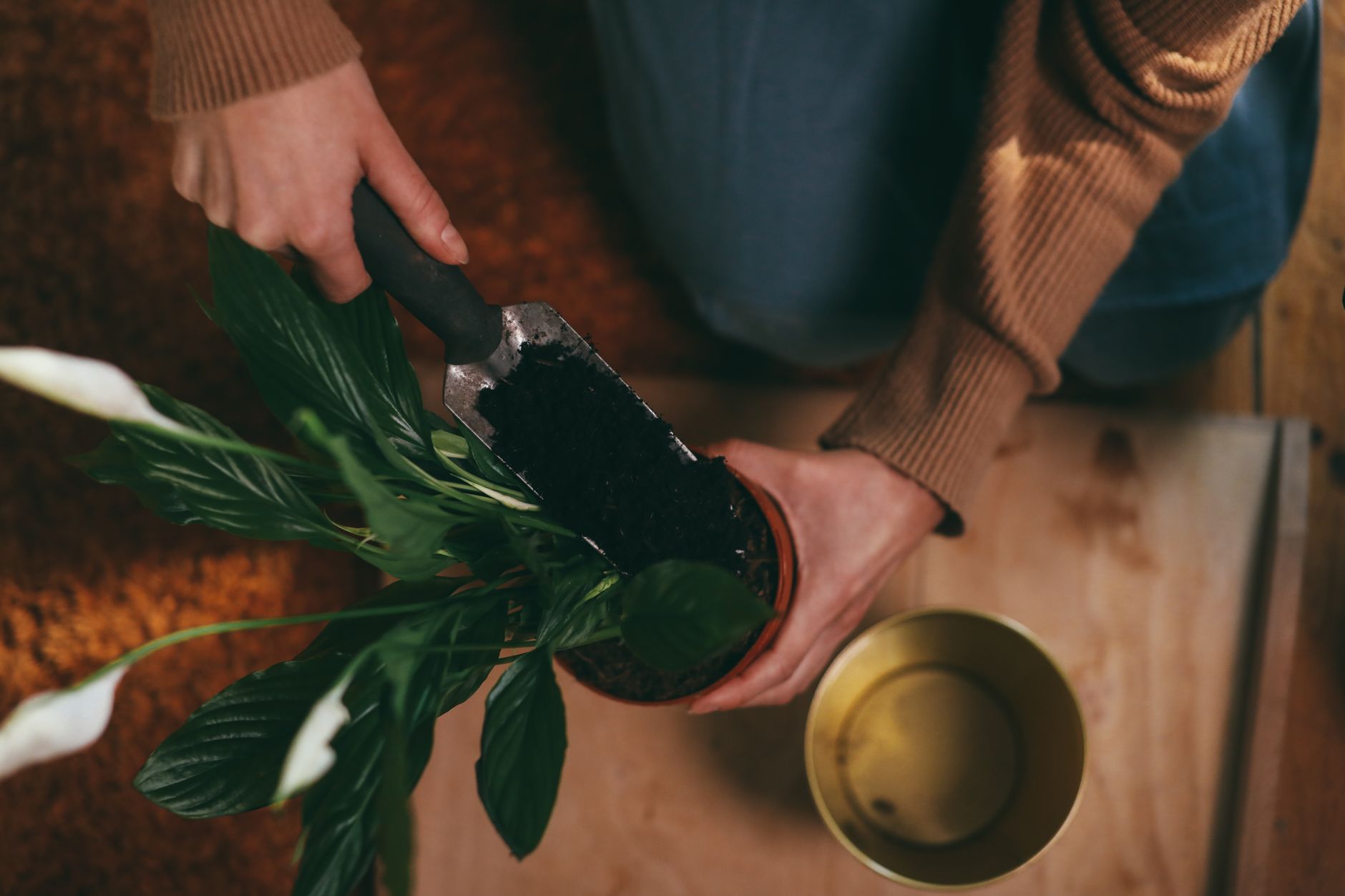
What it is
Substrate and fertiliser are the growing medium and the nutrition. Substrate provides structure, air and water retention; fertiliser provides what the substrate cannot supply indefinitely. Using one to fix a problem caused by the other never works.
What is included
- Symptom assessment before recommendation
- Substrate matched to plant group
- Fertiliser type and ratio explained
- Dosage and interval in writing
- Organic alternatives where they suit
How it works
Diagnosis
We look at the symptom before recommending anything, since yellowing leaves are as often overwatering as they are a deficiency.
Substrate selection
We match the mix to the plant group: free-draining for succulents and orchids, moisture-retentive for ferns and vegetables.
Nutrition plan
We set the fertiliser type, ratio and interval for the growth stage the plant is actually in.
Application guidance
We explain dose and dilution, because over-application burns roots faster than under-application starves them.
Frequent questions
What do the three numbers on fertiliser mean?
Nitrogen, phosphorus and potassium by percentage. Nitrogen drives leaf growth, phosphorus roots and flowering, potassium general resilience.
Can I fertilise all year?
Feed during active growth and ease off when growth slows in the cold months. Feeding a dormant plant does nothing useful and can accumulate salts.
Is more fertiliser better?
No. Over-fertilising burns roots and shows as scorched leaf edges. Half the recommended dose more often is safer than a full dose occasionally.
Related

Matched to your light
Indoor plants
Species recommended for the light a specific corner actually receives, potted with proper drainage.
Read more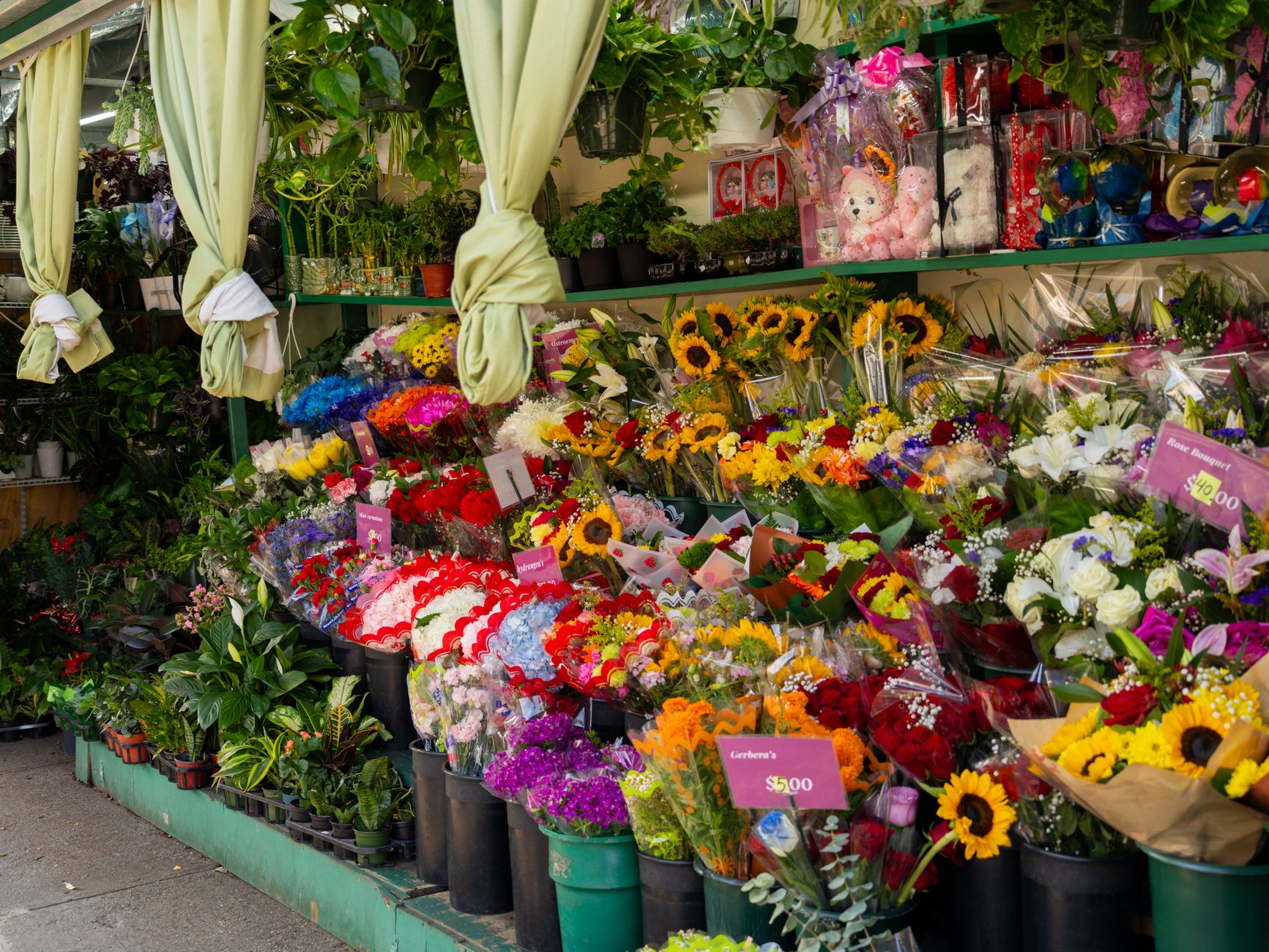
Bought fresh at market
Cut flowers and arrangements
Stems conditioned before display and arranged to the occasion, with vase-life care included.
Read more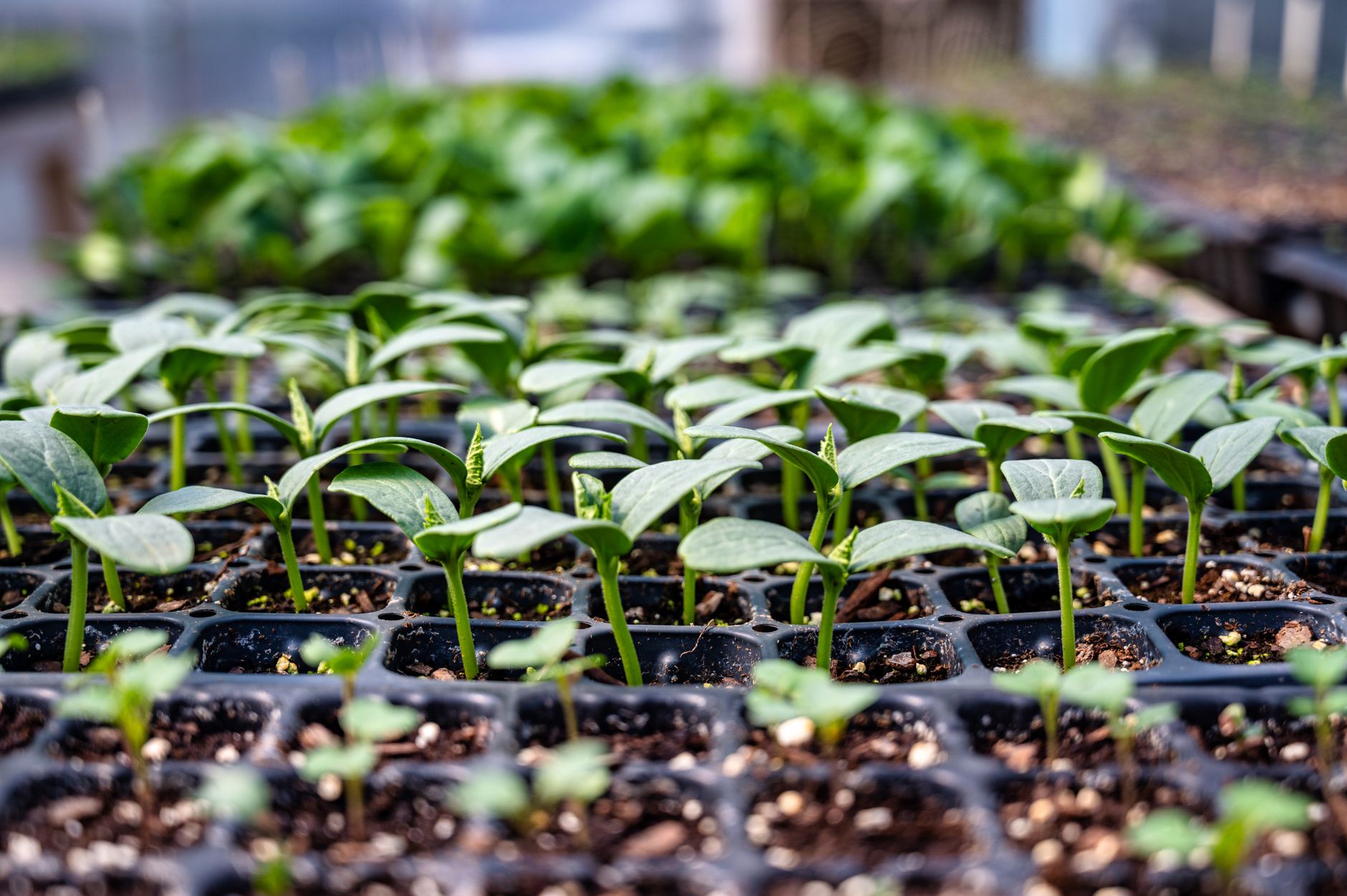
Suited to soil and climate
Garden plants and seedlings
Species chosen for your sun hours, soil and drainage, with planting and establishment guidance.
Read more