
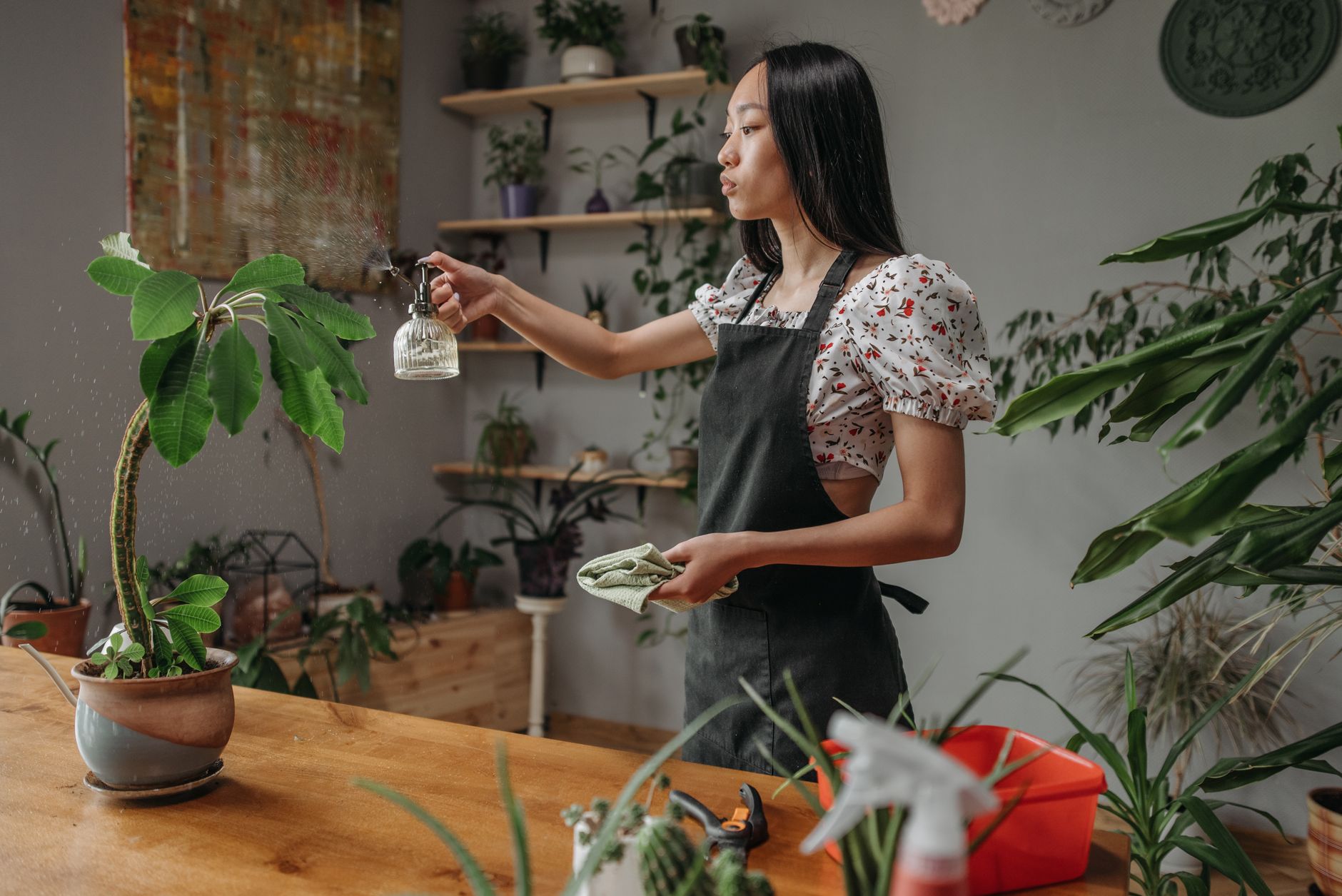
What it is
An indoor plant survives or dies on light, not on care effort. Matching the species to the light a specific corner actually receives is the single decision that determines the outcome; watering and feeding are secondary.
What is included
- Light assessment for the intended spot
- Species chosen for that light level
- Appropriate substrate and drainage
- Written care instructions per species
- Follow-up advice if the plant struggles
How it works
Light assessment
We ask which direction the window faces, how far the plant will sit from it and whether anything blocks the light.
Species match
We recommend species that tolerate that light level, instead of the plant that looked best in the photograph.
Pot and substrate
We pot into a substrate with the drainage the species needs, in a pot with a working drainage hole.
Care handover
We write down watering frequency, feeding interval and the first sign of trouble for that specific plant.
Frequent questions
Why do my indoor plants keep dying?
Usually too little light and too much water, in that order. A plant in poor light uses less water, so the same watering routine that worked by the window drowns it in the hallway.
How often should I water?
By the substrate, not by the calendar. Check two to three centimetres down; if it is still damp, wait. Most indoor plants prefer drying slightly between waterings.
Can plants live in a room with no window?
Not for long on daylight alone. A room with no natural light needs a grow light, or plants rotated in and out every few weeks.
Related
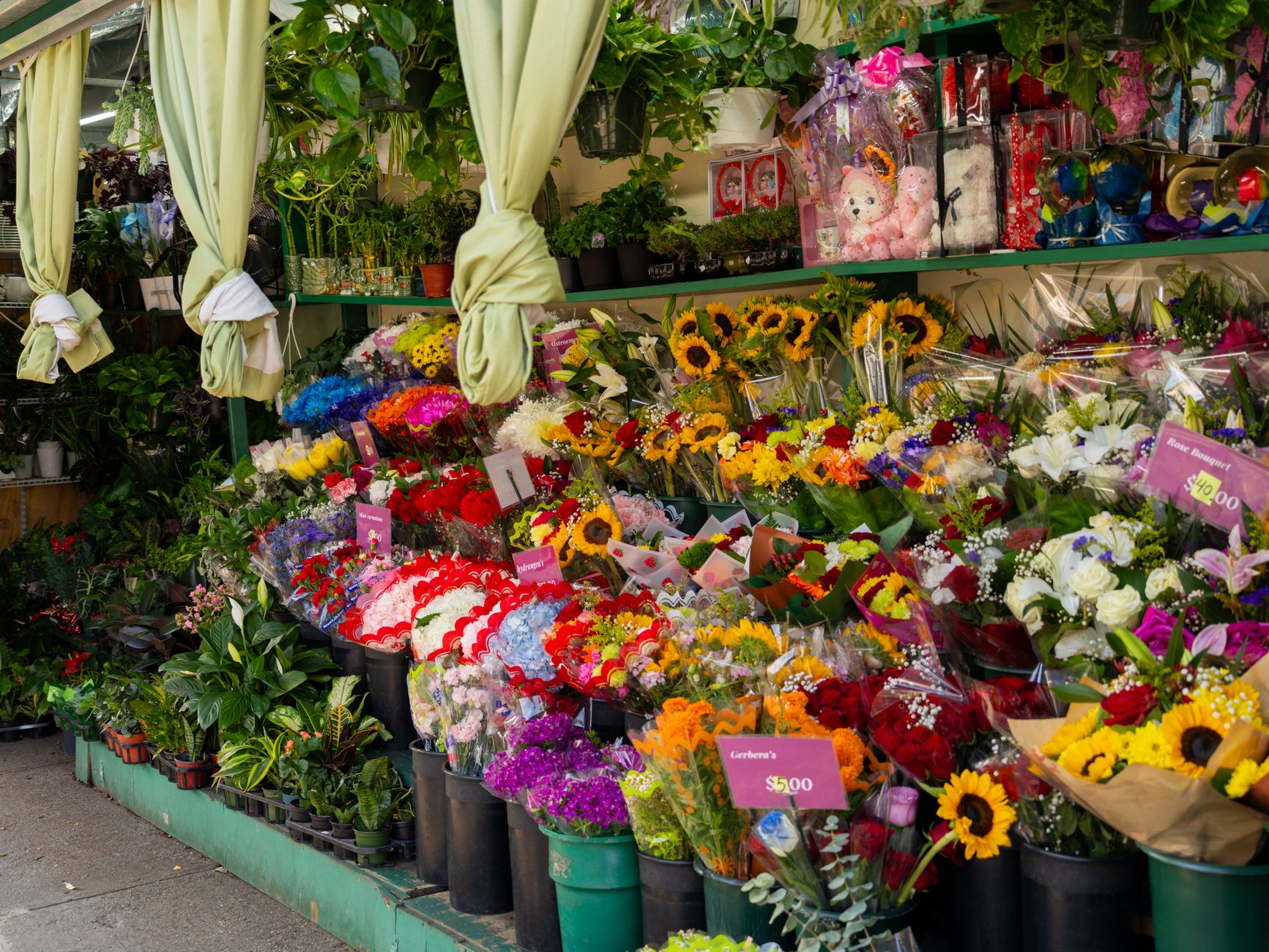
Bought fresh at market
Cut flowers and arrangements
Stems conditioned before display and arranged to the occasion, with vase-life care included.
Read more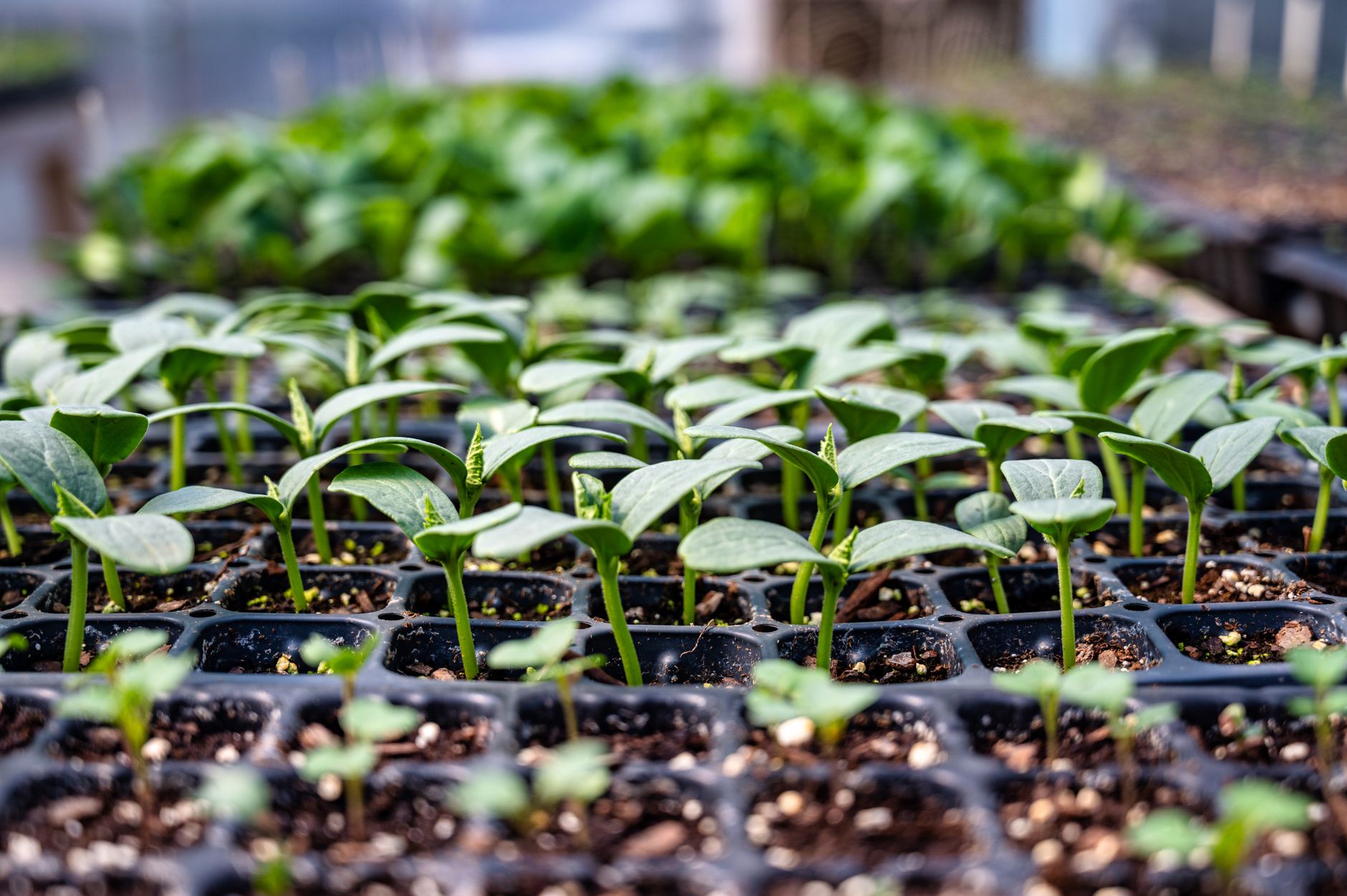
Suited to soil and climate
Garden plants and seedlings
Species chosen for your sun hours, soil and drainage, with planting and establishment guidance.
Read more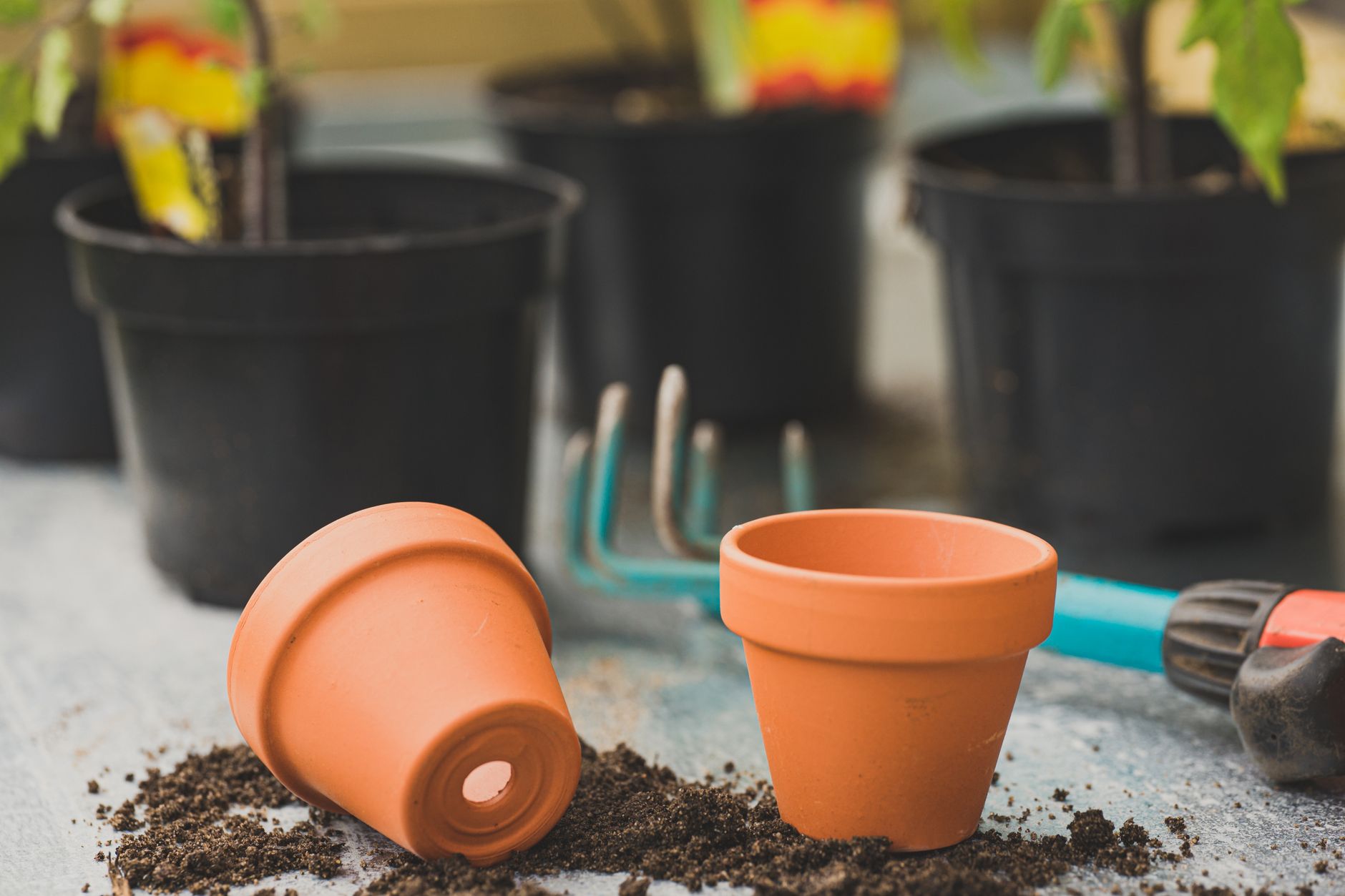
Part of the growing system
Pots and planters
Pots sized to the root ball in materials matched to how fast the plant should dry out.
Read more