
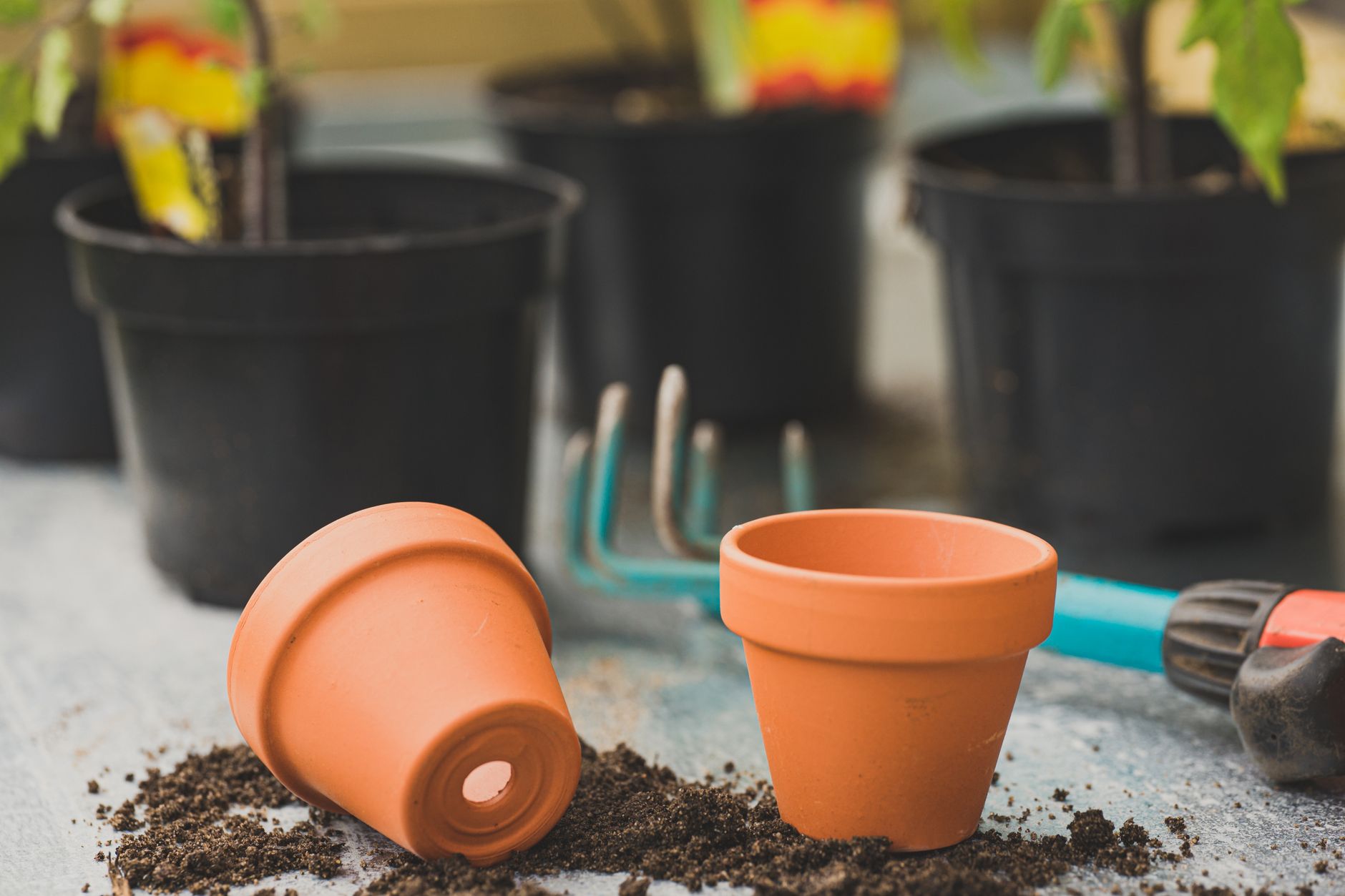
What it is
A pot is part of the growing system, not just a container. Volume, material and drainage determine how fast the substrate dries, how hot the roots get and whether the plant can grow at all.
What is included
- Pot sized to the root ball
- Material advice on weight and drying rate
- Drainage checked or drilled
- Saucer or liner where required
- Placement and weight guidance
How it works
Volume matching
We size the pot to the current root ball with room to grow, since oversizing keeps substrate wet and rots roots.
Material choice
We compare terracotta, ceramic, concrete and plastic for weight, porosity and how quickly each dries out.
Drainage
We confirm a working drainage hole and, for decorative cachepots, a liner pot that can be lifted out to drain.
Placement
We consider weight, sun exposure and whether the surface underneath will stain, before the pot is filled.
Frequent questions
Can I use a pot with no drainage hole?
Only as a decorative outer cachepot with the plant in a liner inside. Planting directly into a sealed pot is the most reliable way to kill it.
Does gravel at the bottom improve drainage?
No, that is a persistent myth. It raises the saturated zone closer to the roots. A drainage hole and the right substrate are what work.
Terracotta or plastic?
Terracotta breathes and dries faster, which suits plants that hate wet feet. Plastic holds moisture and weighs less, which suits thirsty plants and balconies.
Related
Matched to your light
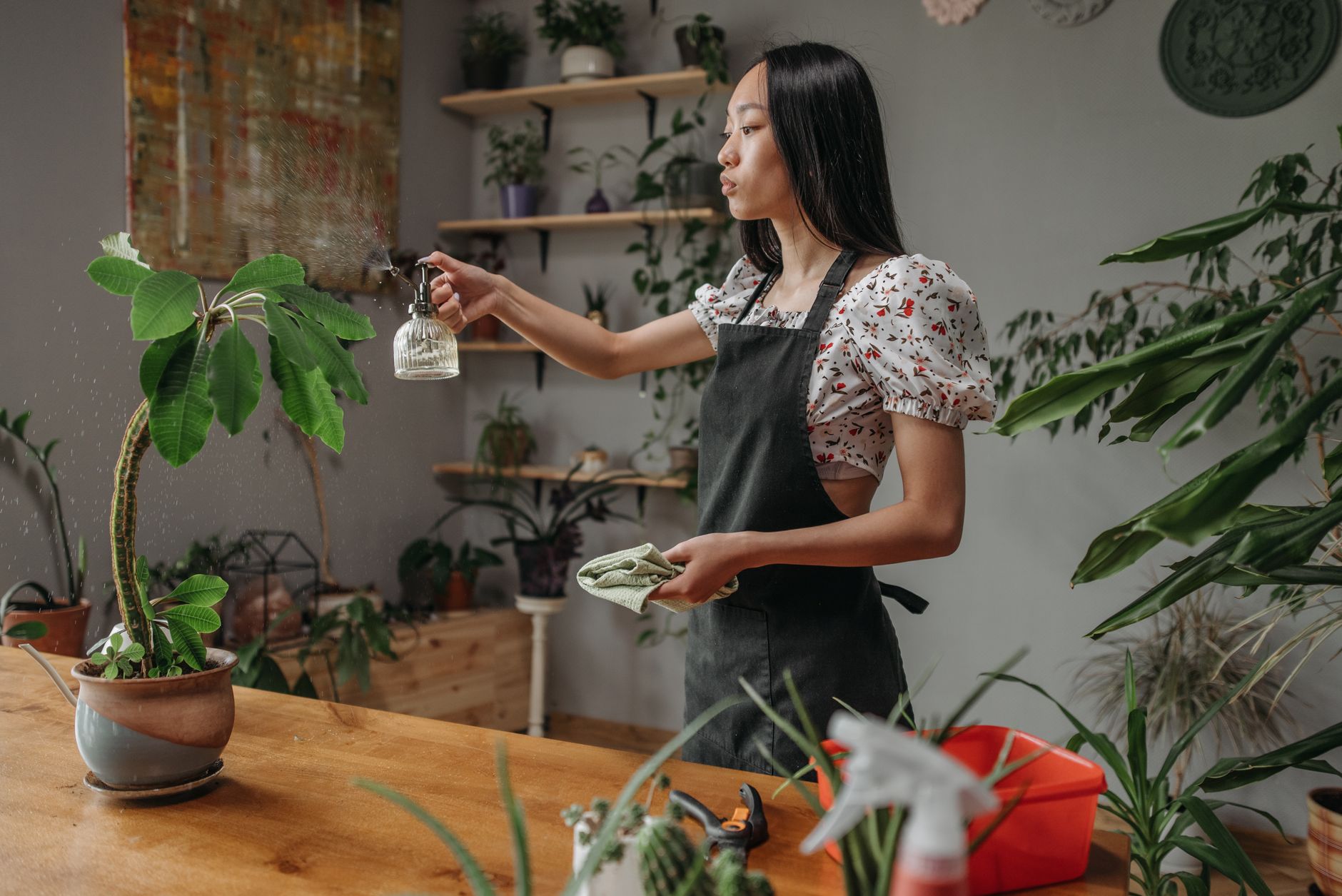
Indoor plants
Species recommended for the light a specific corner actually receives, potted with proper drainage.
Read more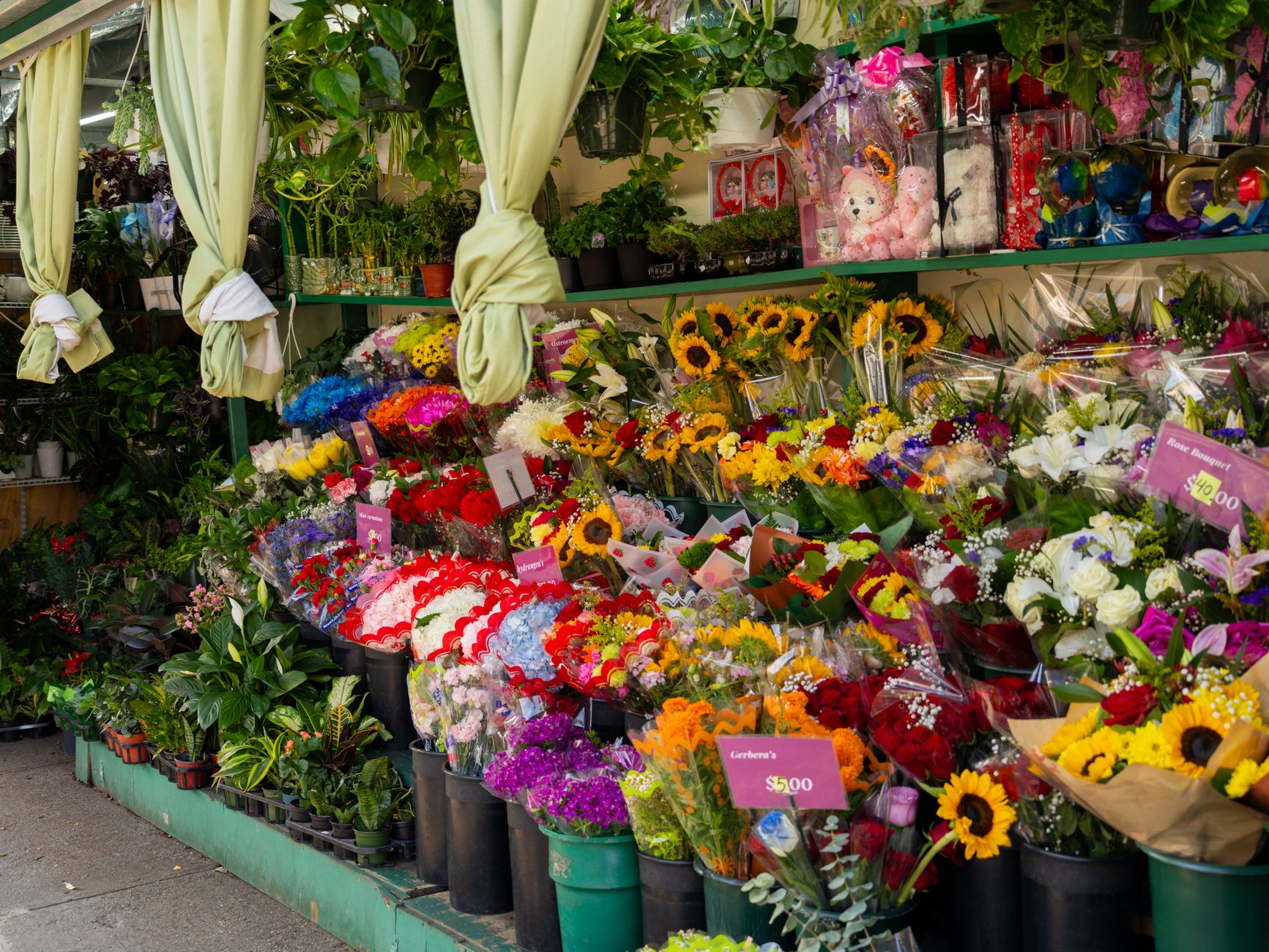
Bought fresh at market
Cut flowers and arrangements
Stems conditioned before display and arranged to the occasion, with vase-life care included.
Read more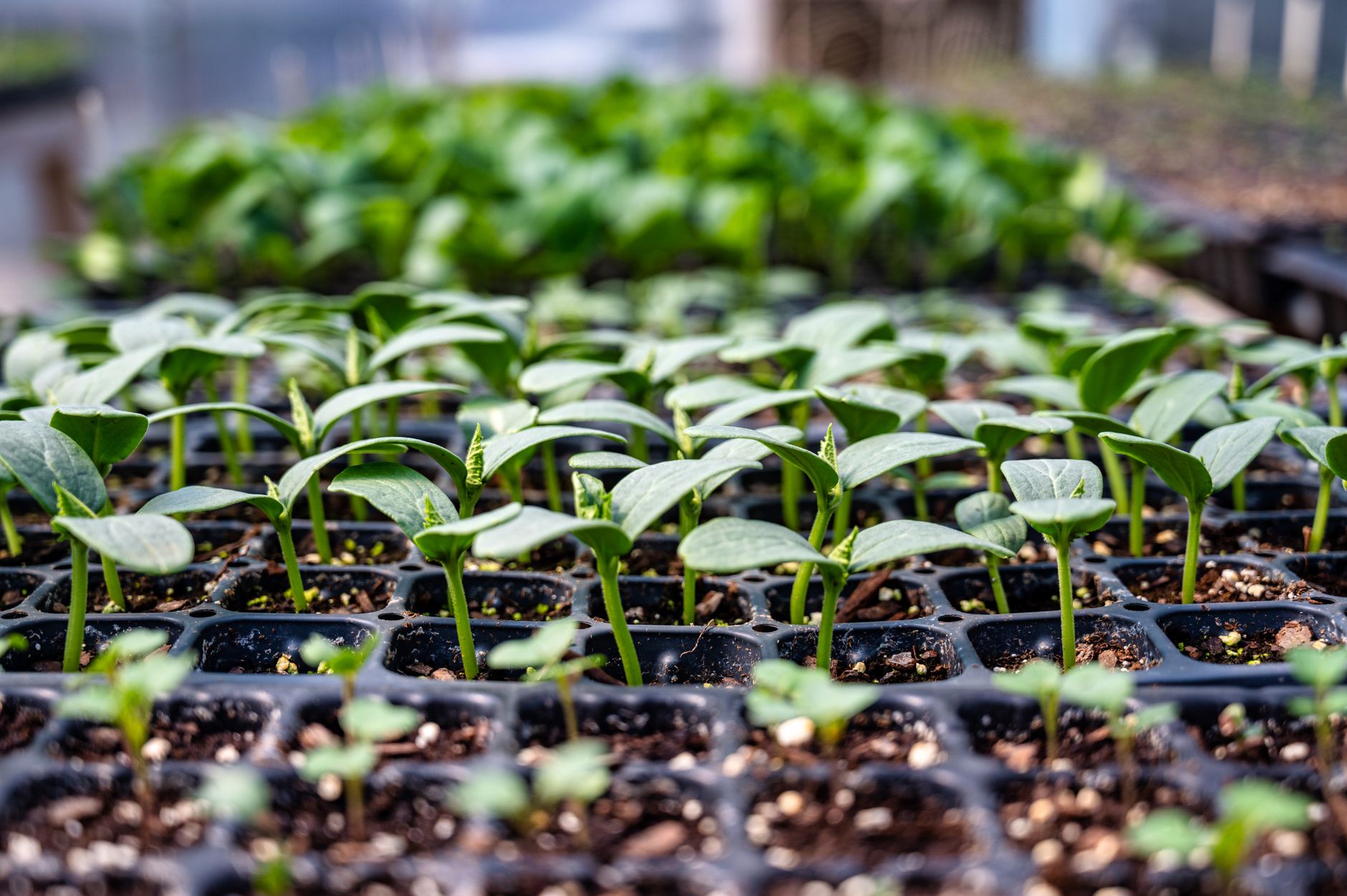
Suited to soil and climate
Garden plants and seedlings
Species chosen for your sun hours, soil and drainage, with planting and establishment guidance.
Read more