
What it is
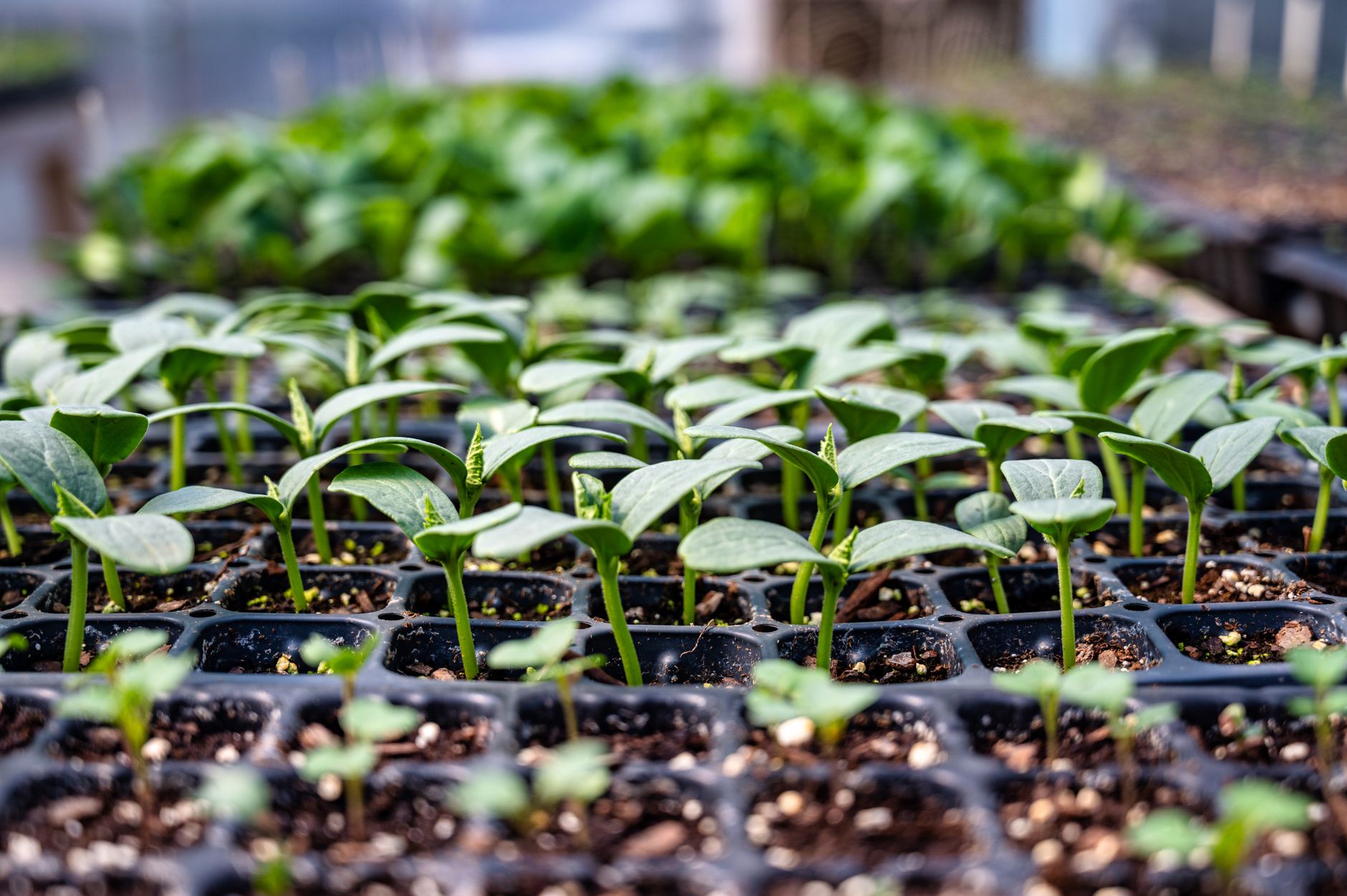
Garden plants and seedlings are sold for a climate and a soil, not for a photograph. A species that thrives in one region struggles two hundred kilometres away, so the honest question is always where it is going.
What is included
- Site condition assessment
- Species suited to soil and climate
- Planting and spacing guidance
- Establishment watering schedule
- Advice on staking and protection where needed
How it works
Site conditions
We ask about sun hours, soil type, drainage and exposure to wind and frost at the planting site.
Species selection
We recommend species suited to those conditions, including natives that need less intervention once established.
Planting guidance
We explain hole size, soil preparation, spacing and the best planting season for that species.
Establishment follow-up
We set out the watering routine for the establishment period, which is when most new plantings are lost.
Frequent questions
When is the best time to plant?
For most species, the start of the rainy season or early autumn, so roots establish before heat or drought. Container-grown stock is more forgiving than bare root.
How deep should the hole be?
Roughly twice the width of the root ball and no deeper than its height. Planting too deep suffocates the root collar and is a common cause of slow decline.
Do seedlings need fertiliser at planting?
Usually organic matter worked into the backfill is enough. Strong fertiliser in direct contact with new roots burns them.
Related
Matched to your light
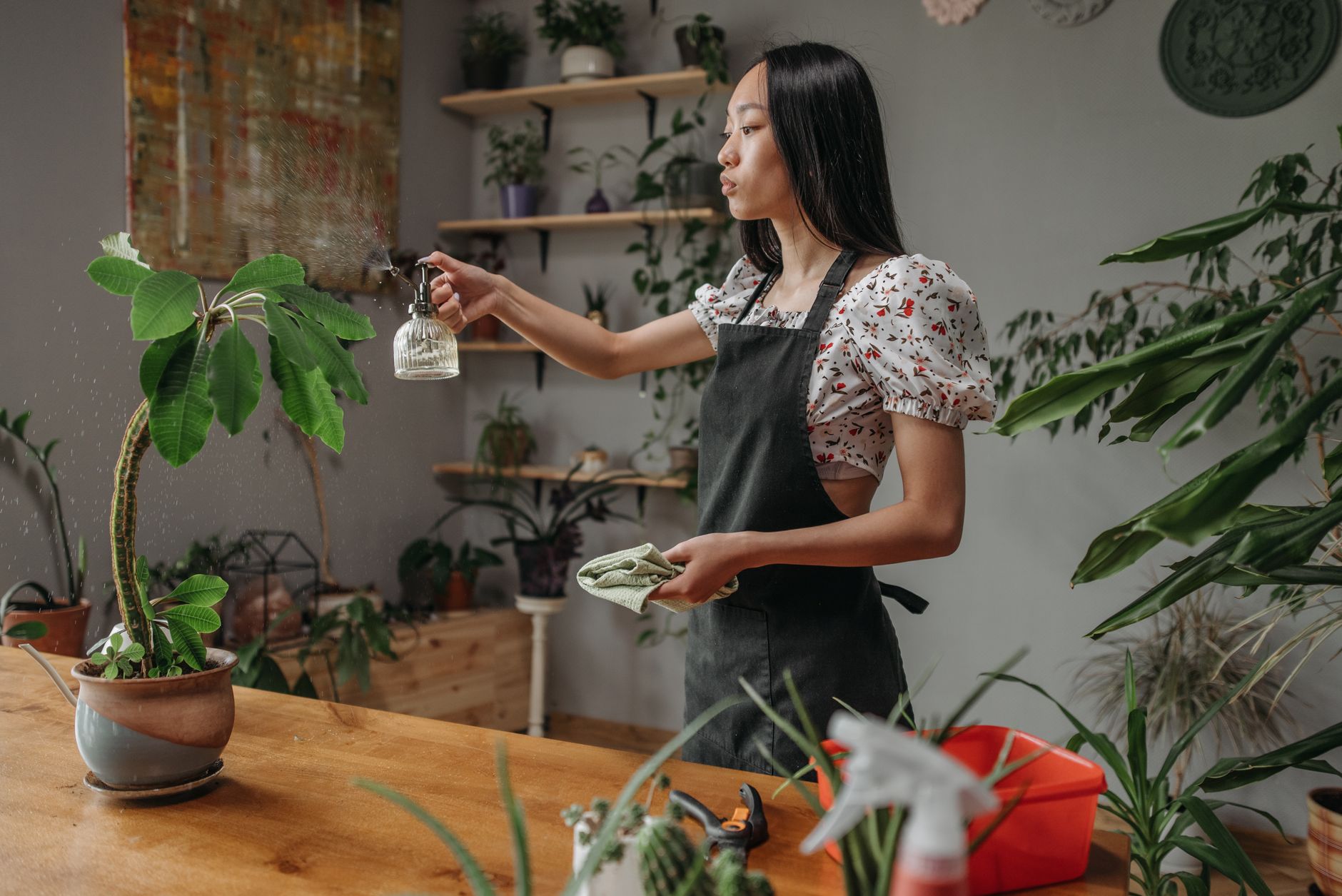
Indoor plants
Species recommended for the light a specific corner actually receives, potted with proper drainage.
Read more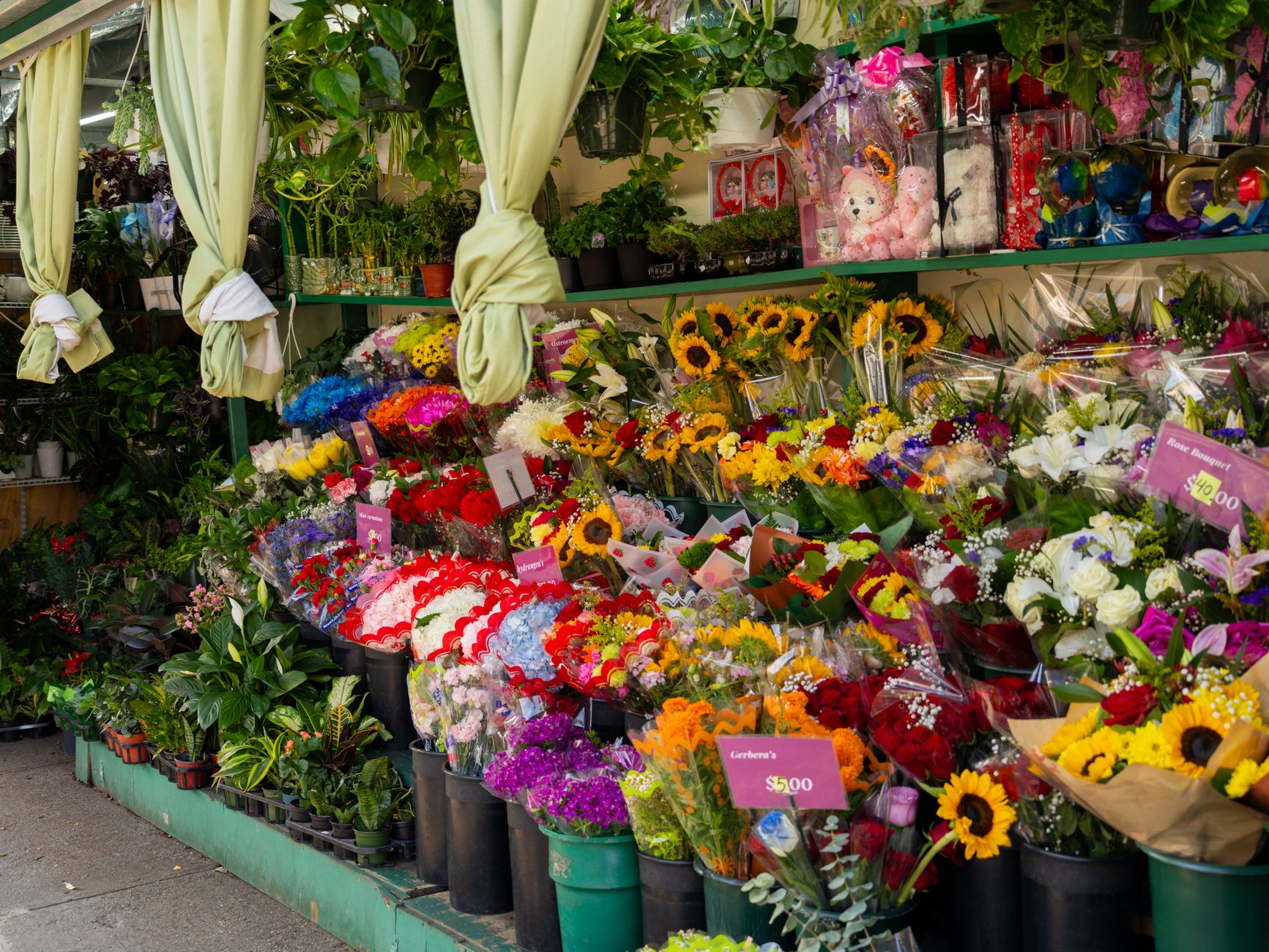
Bought fresh at market
Cut flowers and arrangements
Stems conditioned before display and arranged to the occasion, with vase-life care included.
Read more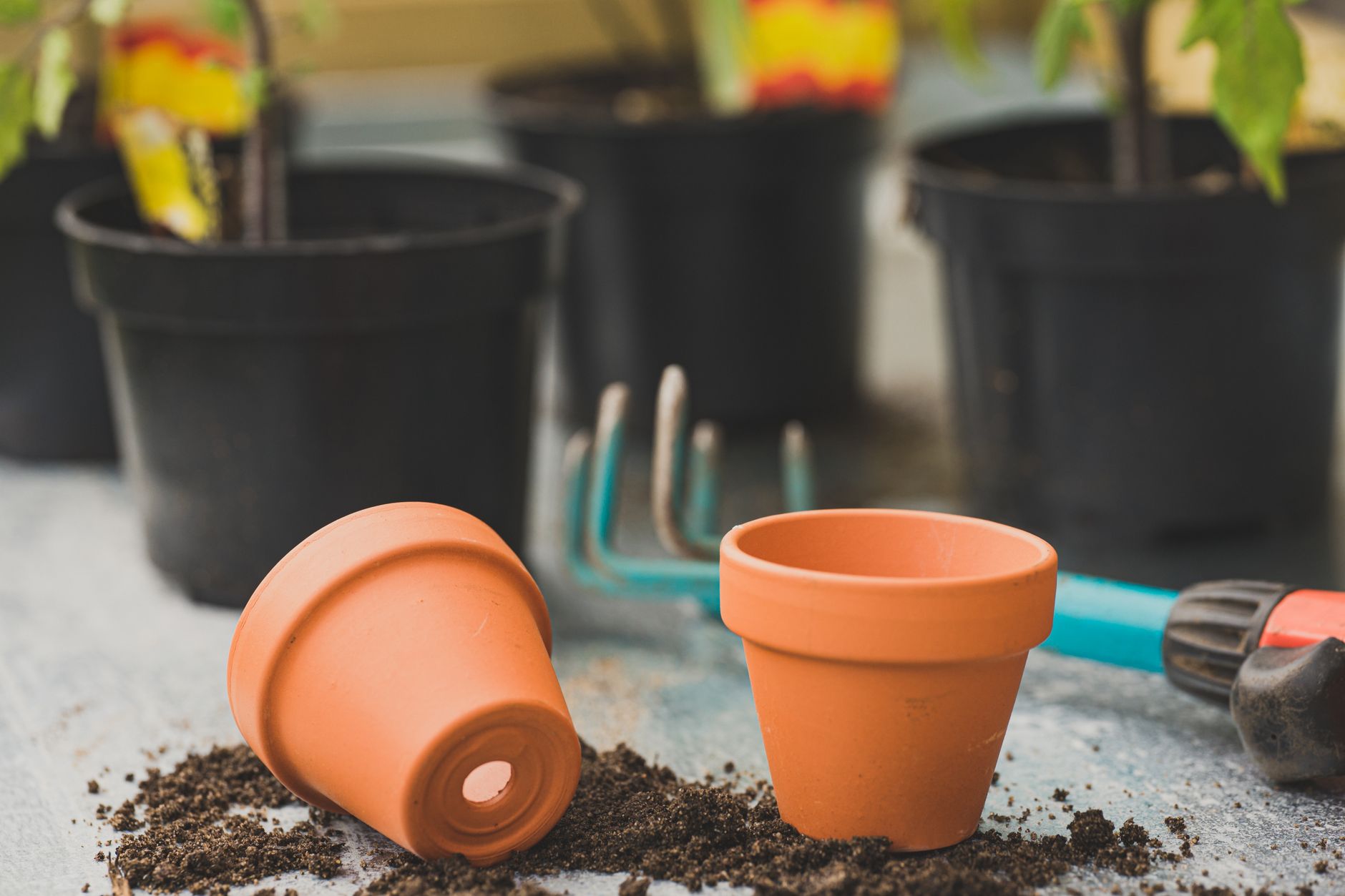
Part of the growing system
Pots and planters
Pots sized to the root ball in materials matched to how fast the plant should dry out.
Read more